Angel Fish Embroidery Design Review for Craft Fairs
As I set up my table for the upcoming weekend craft fair, I am surrounded by stacks of finished products and half-finished prototypes. The air smells of fresh thread and starched fabric. My eyes land on the latest addition to my production queue: the Angel Fish Embroidery Design. Before I commit this digital file to a full batch of handmade goods, I need to evaluate it with the critical eye of a business owner who knows that not every pretty design translates into sales. This review is for my fellow Etsy sellers, boutique makers, and creative entrepreneurs looking to turn a simple machine embroidery design into a profitable craft fair product.
First Impressions: Elegance Meets Oceanic Charm
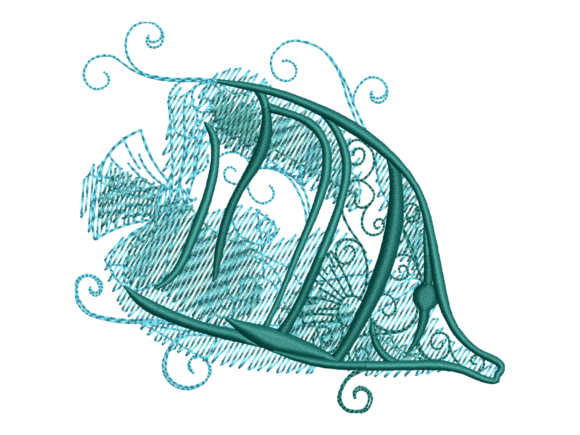
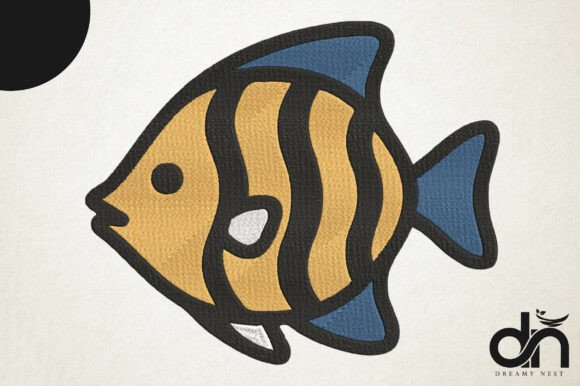
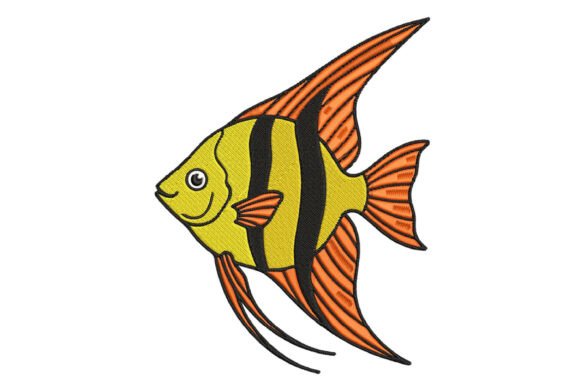
The first thing that strikes me about the Angel Fish Embroidery Design is its inherent grace. Unlike bold, cartoonish marine life patterns often seen in children's sections, this design feels sophisticated yet accessible. The description promises an elegant angelfish with flowing fins, and upon reviewing the preview, the silhouette suggests movement and fluidity. For a booth display filled with rustic farmhouse decor or modern minimalist items, this design offers a refreshing "ocean touch" without feeling cliché. It strikes a delicate balance between decorative and premium, making it a strong candidate for high-value handmade products rather than just quick, low-cost trinkets.
Evaluating Product Potential for Your Booth
When planning my inventory, I consider where the Angel Fish Embroidery Design will stand out most against the competition. Here is how I envision it performing across different product categories:
- Tote Bags and Market Bags: A large-scale version of this design on a natural canvas tote bag creates an immediate focal point. The flowing fins can span a significant portion of the bag, catching the light as customers walk past. This is a classic small shop product that sells well because it is both functional and stylish.
- Kitchen Textiles: Apron embroidery and tea towel embroidery are staples at any market. Placing the angelfish near the pocket of an apron or centered on a linen tea towel adds a whimsical yet classy vibe. The organic shape of the fish complements the texture of kitchen linens perfectly.
- Embroidered Patches: For those who prefer smaller items, this design works beautifully as an embroidered patch. Customers love adding these to denim jackets or backpacks. The distinct outline of the angelfish ensures it remains recognizable even when detached from the main fabric.
- Pillow Covers and Home Decor: On a larger pillow cover, the Angel Fish Embroidery Design becomes a statement piece. It elevates a plain cushion into a giftable handmade item that suggests coastal elegance.
- Caps and Headwear: Curved surfaces like caps require careful consideration. While the design is beautiful, the curvature might distort the flowing fins if not positioned correctly. I would only use this on caps if the hoop size allows for a smaller, more compact version that fits the front panel without bunching.
Practical Production and Selling Points
From a commercial embroidery standpoint, the success of this design relies on its clarity and scalability. One of the biggest challenges for digital sellers is ensuring the design looks good at a glance. The Angel Fish Embroidery Design excels here; the shape is instantly identifiable as a fish, which helps in drawing customer attention from a distance. However, as a professional designer, I must assess whether it works as a small accent or needs to be a large focal design. Given the detail in the fins, shrinking it too much could cause the lines to blur together.
Photography is another crucial factor for Etsy sellers and online boutiques. This design photographs exceptionally well due to its contrast and flow. When creating printable mockups for your listings, the graceful lines of the angelfish add a sense of motion that static photos often lack. This visual appeal directly impacts buyer engagement, making your listing pop among thousands of others. Furthermore, the design feels repeatable for batch production. Once you have dialed in the correct settings, you can produce multiple units consistently, which is essential for maximizing profit margins at a busy craft fair.
Critical Care Notes for Embroidery Business Owners
While the Angel Fish Embroidery Design is promising, there are specific technical considerations you must address before mass production. Do not skip the test run. Always stitch a sample on scrap fabric first to check the stitch density. Areas with dense stitching, particularly around the body of the fish, may require a heavier stabilizer to prevent puckering, especially on textured towels or thick fabrics.
Pay close attention to tiny details. If the design includes fine lines in the tail or fins, they may get lost if you attempt to embroider on dark fabric or highly textured materials. The thread colors play a massive role here; using a bright or contrasting color against a neutral background will make the angelfish pop, whereas similar tones might mute the effect. Additionally, verify the hoop size requirements. If the design requires a large hoop, ensure your machine setup accommodates it comfortably on items like caps or small pouches.
Maximizing Visual Appeal and Brand Consistency
Incorporating the Angel Fish Embroidery Design into your line affects your overall brand perception. It signals a focus on quality and artistic detail. For a booth display, grouping these items together—perhaps with ocean-themed accents or soft blue lighting—creates a cohesive narrative that draws buyers in. The design enhances the perceived value of the finished product, allowing you to price your handmade goods higher than generic alternatives.
However, remember that consistency is key. Ensure that the quality of the embroidery matches the elegance of the design. Loose threads, uneven tension, or poor backing choice can ruin the illusion of a premium product. As you prepare your design assets, compare fabric colors carefully. A design that looks stunning on white cotton might look muddy on heather gray or navy blue. Test these combinations before committing to a full inventory run.
Final Checklist for Commercial Success
Before you list your new products or pack your bags for the weekend market, run through this final checklist based on my experience with the Angel Fish Embroidery Design:
- Verify Licensing: Confirm that your commercial embroidery license allows you to sell finished products made from this digital embroidery file. Never assume; always check the terms.
- Test Stitch Density: Run a sample to ensure no areas are too tight or too loose, which can lead to fabric distortion.
- Check Thread Contrast: Select thread colors that highlight the flowing fins and body of the angelfish against your chosen fabric.
- Create Real Mockups: Do not rely solely on digital previews. Create at least one real physical mockup to see how the design sits on the actual product.
- Review Spacing: Ensure there is enough room around the design so it does not feel cramped on smaller items like patches or pouches.
- Inspect Stabilizer Choice: Use the right stabilizer for the fabric type to maintain the integrity of the embroidery.
The Angel Fish Embroidery Design offers a wonderful opportunity to bring a touch of the ocean to your craft fair booth. With its elegant lines and versatile nature, it has the potential to become a bestseller in your collection. By paying attention to the practicalities of production and focusing on high-quality execution, you can transform this digital file into a tangible asset that drives sales and builds your brand. Whether you are selling a single tea towel or a whole collection of embroidered patches, this design stands ready to impress your customers and elevate your handmade business.