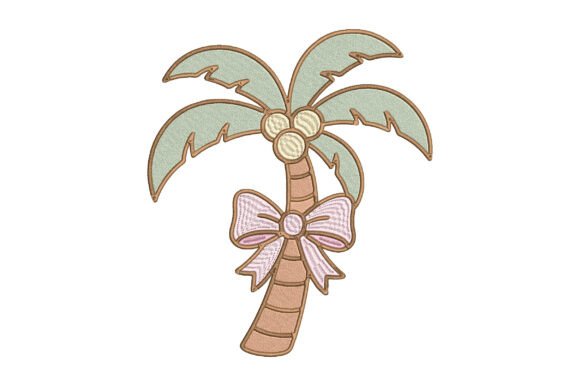
Coconut Tree Embroidery Design Review for Business Branding
First Impressions: A Fresh, Versatile Design for Small Business Branding
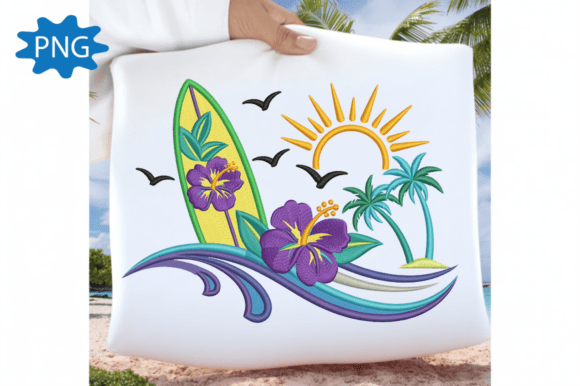
As an experienced embroidery designer, the Coconut Tree Embroidery Design immediately stands out with its clean lines and tropical charm. Based on the product title and description, it promises a professional yet friendly aesthetic that can easily translate into multiple branding applications. It reads as modern, slightly playful, and subtly elegant—perfect for businesses looking to convey a laid-back yet polished image.
This design feels like a strong contender for small business merch, especially for brands rooted in nature, wellness, or coastal themes. Whether used as a chest logo, patch, or embroidered accent, it appears well-constructed for machine embroidery, suggesting a balanced stitch density and thoughtful detail placement.
Real-World Business Applications: From Patches to Product Branding
The Coconut Tree Embroidery Design offers a wide range of practical applications for small businesses. Here's how it can be utilized across different merchandise and branding materials:
- Embroidered Patches: This design works beautifully as a standalone patch. Its visual clarity and moderate complexity make it suitable for both casual and semi-formal wearables. Patch makers can stitch it out confidently on twill, felt, or denim.
- Staff Uniforms & Aprons: For cafes, boutiques, or local shops, this design adds a subtle but memorable branding touch. It’s professional enough for workwear yet retains a friendly vibe—ideal for customer-facing teams.
- Cap Embroidery: When scaled appropriately, the Coconut Tree Embroidery Design can make a strong front or side logo on caps. Its natural theme makes it a great fit for outdoor brands, pet shops, or lifestyle businesses.
- Tote Bags & Apparel: On tote bags or casual shirts, this design elevates the look of the product without overpowering it. It's well-suited for Etsy sellers and handmade brands looking to add a premium feel to their merchandise.
- Product Packaging Accents: If your brand sells physical goods, adding this design as a small embroidered tag or label gives a handmade, artisanal impression that resonates with conscious consumers.
Where to Use with Caution: Design Limitations and Fabric Considerations
While the Coconut Tree Embroidery Design is versatile, there are specific scenarios where extra attention is needed:
- Small Patch Sizes: At very small dimensions, the finer details of the leaves or trunk may become lost. Always test the design at intended patch size before full production.
- Curved Surfaces: Cap fronts and sleeves require careful hooping and stabilizer use to maintain design integrity and prevent distortion.
- Textured or Dark Fabrics: The design may need thread color adjustments when used on dark or rough-textured materials to ensure visibility and clarity.
- High Stitch Density: If the design includes dense fill stitches, be mindful of fabric puckering. Use appropriate stabilizers and test on sample fabric first.
- Frequent Washing: Merchandise that will endure regular laundering (like aprons or uniforms) should be tested for thread durability and colorfastness.
Brand Identity Impact: Building Trust and Recognition
For small businesses, consistency in branding is key—and the Coconut Tree Embroidery Design contributes to that effort. When used across multiple touchpoints (from staff uniforms to tote bags), it reinforces brand recognition. The natural motif subtly communicates warmth, approachability, and quality—especially for brands in the Forest or lifestyle niches.
This design helps elevate a handmade product from looking generic to feeling premium. Whether used by an Etsy seller or a local bakery, it signals intentionality and care in presentation, which directly influences customer trust and perceived product value.
Additionally, when used in tandem with other design assets (like logos or packaging motifs), the Coconut Tree Embroidery Design can become part of a cohesive visual language that customers instantly associate with your brand.
Designer Notes: Practical Tips for Using Coconut Tree Embroidery Design
Before launching into full-scale production or client work, here are some essential steps every embroidery professional should take:
- Test in Black and White First: Use neutral thread colors to evaluate clarity and contrast before finalizing a color palette.
- Check Small Sizes: Resize the design to intended patch dimensions and verify that all elements remain distinguishable.
- Review Thread Color Contrast: Ensure the chosen colors work well on the fabric and enhance the design’s visual impact.
- Inspect Spacing and Stitch Flow: Make sure no elements are too close together, which could cause thread bunching or distortion.
- Confirm Hoop Size: Match the design to your embroidery machine’s hoop capacity to avoid distortion or trimming.
- Test on Real Fabric: Always stitch a sample on the actual garment or material to assess how the design performs in real-world conditions.
- Use Proper Stabilizer: Choose the right stabilizer based on fabric type to prevent puckering and ensure clean embroidery results.
- Create a Printable Mockup: Show clients how the design will look on finished products using digital mockups before stitching.
- Compare with Other Design Assets: If the client has existing branding, make sure this design complements their other visuals.
- Confirm Commercial Licensing: Before using the design for resale or client work, verify that the digital embroidery file includes commercial use rights.
Final Thoughts: A Smart Choice for Small Business Embroidery Needs
The Coconut Tree Embroidery Design is a smart addition to any small business or embroidery shop’s digital embroidery file collection. Its clean, nature-inspired motif makes it adaptable across a wide range of branding applications—from custom apparel to product labels. With thoughtful execution and proper testing, it can become a signature element of your brand identity or client work.
Whether you're creating merch for a boutique, a café, or a creative studio, this design offers a polished, approachable look that aligns with modern consumer expectations. Just remember to test thoroughly, consider fabric and size limitations, and always confirm licensing before production.