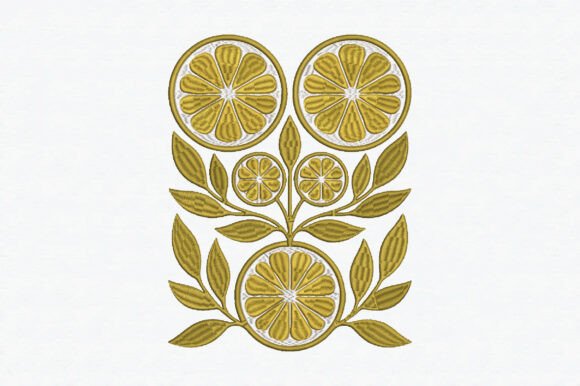
Lemon Surface Embroidery Design Review: Fresh, Functional, and Ready for Real Projects
First Impressions: A Sunny Addition to Any Embroidery Collection
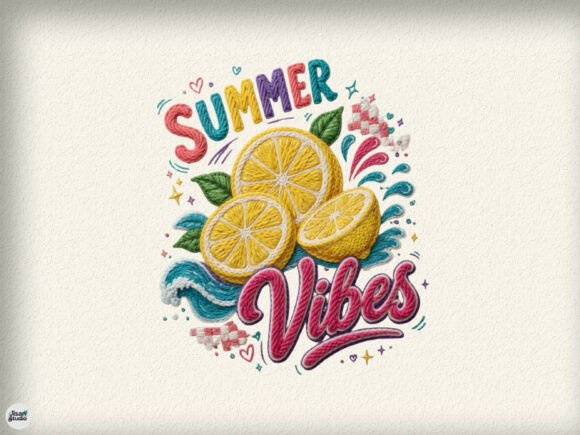
As someone who evaluates embroidery designs for both aesthetics and practical use, the Lemon Surface Embroidery Design caught my eye immediately. It's bright, clean, and carries that subtle charm that makes it versatile for a variety of products. The layout features lemon slices arranged in a slightly organic, asymmetrical flow, accented by leafy branches that give it a natural, hand-drawn feel. It's not overly complex, but still detailed enough to feel intentional and high-quality when stitched out.
This design instantly evokes a cheerful, refreshing mood—perfect for spring and summer collections, kitchen-themed items, or baby and toddler apparel. It feels like a design that could easily be used across multiple product lines without feeling out of place.
Real-World Use: From Tote Bags to Baby Onesies
I recently tested the Lemon Surface Embroidery Design on a few different project types to see how it would hold up beyond just a digital preview. I stitched it onto a cotton tote bag, a lightweight linen tea towel, and a soft cotton onesie for a baby gift. Across all three, the design performed well—especially on the tote and tea towel, where the flat surface allowed the satin and fill stitches to lay smoothly without distortion.
- On tote bags: The lemon slices stood out clearly, and the leafy accents added just enough visual interest without overpowering the fabric.
- On tea towels: The natural linen texture complemented the organic layout of the design, making it feel like a custom artisanal touch.
- On baby onesies: The design scaled down nicely, and the clean lines held up well even on a slightly stretchy knit fabric—though I did use a lightweight stabilizer to prevent puckering.
It’s also a great fit for personalized gifts. I added a name under the design on a sweatshirt for a citrus-themed birthday present, and the result looked polished and cohesive. The lemon motif doesn't feel too gendered, making it ideal for unisex items in your craft business or Etsy seller inventory.
Commercial Appeal: From Boutique Apparel to Holiday Merchandise
The Lemon Surface Embroidery Design has strong commercial potential. It’s simple enough to stitch out consistently across different machines and fabric types, yet distinctive enough to add character to mass-produced items. I can easily see it being used by boutique owners on summer apparel lines, kitchen decor sellers on embroidered pillow covers, or Etsy crafters making citrus-themed greeting cards and gift tags.
From a branding perspective, this design works well for small businesses looking to create a consistent visual identity. It could be used as a subtle logo element on aprons, embroidered tags, or packaging labels. Its clean, modern aesthetic makes it easy to pair with minimalist branding fonts or other botanical designs.
Where to Be Careful: Fabric, Placement, and Detail Considerations
While the Lemon Surface Embroidery Design is quite versatile, there are a few scenarios where it needs extra attention:
- Small hoop sizes: If you're working with a limited hoop space, the full design might not fit as intended. Check the file dimensions before starting your project.
- Textured or thick fabrics: On denim or heavy canvas, the finer leaf details may get lost or distorted. Consider simplifying or resizing slightly if needed.
- Dark fabric backgrounds: The lemon yellow thread might not pop as much unless you test contrast options. A white or light background brings out the design's vibrancy.
- Curved surfaces like caps: While the design isn't overly dense, curved surfaces may require additional stabilizer or hoop adjustments to maintain clarity.
I also noticed that on stretchy fabrics like t-shirts or baby clothes, the satin stitches can pull slightly if not stabilized properly. A medium-weight tear-away or cutaway stabilizer helped maintain stitch clarity and prevent distortion.
Stitching Tips for Best Results
As with any machine embroidery design, it’s smart to test before committing to your final product. Here are a few practical notes from my experience:
- Test on scrap fabric first to check stitch density and detail retention.
- Try black and white mockups to evaluate contrast and visual balance before choosing thread colors.
- Compare light and dark backgrounds to see which version of the design works best for your intended use.
- Review the file format to ensure it's compatible with your embroidery machine.
- Check licensing terms if you plan to use it in a digital embroidery file bundle or sell finished items commercially.
One thing I appreciated was that the design didn’t have overly dense satin or fill stitches, which can sometimes cause stiffness or puckering on delicate fabrics. It’s a good balance between visual impact and practical execution.
Final Thoughts: A Go-To Design for Seasonal and Everyday Use
The Lemon Surface Embroidery Design is a solid addition to any embroidery designer’s toolkit. It’s fresh, functional, and adaptable across a wide range of handmade products and commercial embroidery applications. Whether you're creating a line of citrus-themed kitchen towels, personalized baby gifts, or boutique apparel, this design brings a cheerful, cohesive touch that customers are likely to appreciate.
For small shop owners and creative entrepreneurs, it offers a great combination of visual appeal and stitching reliability. It’s the kind of design that works well both as a standalone element and as part of a larger design collection. Just be mindful of fabric type, hoop size, and thread contrast to get the most out of it.