Wildlife Camping Embroidery Design – A Craft Fair Seller’s Honest Review
First Impressions: Rustic Charm Meets Outdoor Whimsy
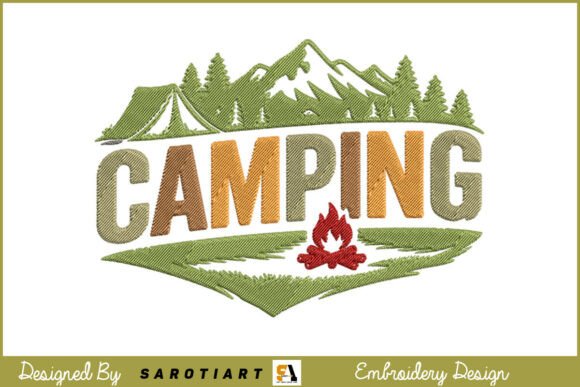
The Wildlife Camping Embroidery Design immediately evokes a sense of rustic adventure and lighthearted charm. With its likely line art style and nature-inspired theme, this machine embroidery design feels like a perfect fit for crafters aiming to capture the cozy, outdoorsy aesthetic that sells so well at weekend markets and on Etsy. It’s not overly bold or intricate, which makes it versatile for different handmade products. Whether it leans more farmhouse or modern rustic, this design has the visual appeal to catch a buyer’s eye while maintaining a clean, wearable look.
Versatility Across Craft Fair Products
One of the strongest selling points of the Wildlife Camping Embroidery Design is its adaptability. The description suggests it’s a great accent design, which means it could work beautifully as a small embellishment on kids’ clothing, tote bags, and t-shirts. For craft fair sellers, that’s a big win—designs that don’t demand center stage but still elevate the product’s handmade quality are ideal for batch production.
On tote bags and market bags, this design could serve as a subtle yet eye-catching detail near the strap or hem. For aprons and tea towel embroidery, positioning it near the corner or pocket seam adds charm without overwhelming the fabric. Embroidered patches featuring this design could also be a hit, especially if they’re sewn onto denim jackets or reusable pouches—both popular among boutique makers and digital sellers.
Pillow covers and small fabric pouches offer a flat, stable surface where the design can shine. And for Etsy sellers creating printable mockups, this design’s likely clean lines and recognizable imagery will photograph well, helping buyers visualize the finished product.
Selling and Production Practicality
As an embroidery designer preparing for a weekend craft fair, I always look for designs that are easy to understand at a glance. Wildlife Camping Embroidery Design seems to deliver on that front. It should read clearly from a few feet away, which is essential when customers are walking past your booth.
It’s smart to test whether this design works best as a small accent or if it can scale up to be a focal point. Based on the product examples listed, it seems more suited to accent use, which is great for variety in your handmade product line. When photographing for Etsy listings or digital mockups, expect this design to show up well in natural light, especially if the thread colors contrast nicely with the base fabric.
Batch production is another important factor. If the stitch density is moderate and the design elements aren’t too fine or detailed, this embroidery file should be repeatable across multiple items without slowing down your workflow or risking skipped stitches or thread breaks.
Potential Trouble Spots to Watch For
Every embroidery designer knows that some designs look great on screen but cause headaches in production. Before committing to a full run, test Wildlife Camping Embroidery Design on scrap fabric to check for dense stitch areas that might pucker thin materials or get lost in textured towels.
If the design includes small lettering or delicate line work, consider how it will hold up when resized for patches or baby clothes. On curved surfaces like caps or small pouches, make sure the hoop size allows for proper placement and that the stabilizer used supports the fabric type.
Dark fabrics can also impact visibility—check thread contrast carefully. If the original design uses light-colored thread on a dark background, ensure that the stitch coverage is sufficient to prevent the fabric from showing through.
Impact on Booth Display and Customer Engagement
In a crowded craft fair setting, your booth needs to stand out fast. The Wildlife Camping Embroidery Design has the potential to become a consistent visual anchor across your product line. Using it across tote bags, tea towels, and embroidered patches gives your display a cohesive theme—perfect for branding and customer recall.
From a buyer engagement perspective, this design taps into the evergreen appeal of camping and the outdoors. It’s giftable, gender-neutral, and family-friendly, which makes it a smart choice for handmade shops targeting a broad audience. When paired with the right fabric colors and product types, it elevates your offerings from generic to curated, giving your booth a premium handmade feel.
Before diving into full production, every embroidery business owner should take the following steps:
- Test the design on scrap fabric to check for stitch density and clarity.
- Review thread contrast on both light and dark fabric options.
- Confirm spacing and line definition, especially if the design includes small text or intricate line art.
- Check hoop size compatibility with your embroidery machine and intended product placement.
- Use the appropriate stabilizer based on fabric texture—especially important for thick or uneven materials like towels or caps.
- Create at least one real mockup to see how the design reads in person and in photos.
- Compare different fabric colors to see which combinations highlight the Wildlife Camping Embroidery Design best.
- Confirm commercial licensing for the embroidery file before selling finished products.
Final Thoughts for Sellers and Creative Entrepreneurs
The Wildlife Camping Embroidery Design is a solid choice for craft fair sellers, boutique makers, and Etsy entrepreneurs who want a nature-inspired, versatile embroidery file that’s easy to produce and appealing to a wide audience. Whether used on tote bags, aprons, or embroidered patches, this design brings a touch of whimsical charm that customers love.
Just remember to test it thoroughly before production, and always consider fabric type, thread color, and placement to ensure your finished product looks polished and professional. With the right approach, this design can become a staple in your small shop product lineup—helping you create cohesive, market-ready handmade goods that sell.